
The path to sustainable development of the poultry industry
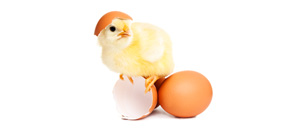
Poultry farming is an indispensable part of the global agricultural system. Its industrial chain covers feed production, breeding of poultry, farming management, slaughtering and processing to food consumption, which is related to food security and people's livelihood needs. With the expansion of farming scale, the increase in disease risks and the increase in consumer attention to animal welfare, the poultry industry is facing the need for transformation and upgrading.
Poultry meat and eggs are important sources of high-quality protein, rich in essential amino acids and low in fat. They are of significant significance in improving residents' dietary structure and reducing the risk of cardiovascular diseases.
Poultry manure can be converted into organic fertilizer, reducing dependence on chemical fertilizers; free-range poultry can control insect pests in farmland and promote the combination of farming and breeding.
The main challenges of current poultry farminghave:The pressure of epidemic prevention and control continues to escalate,In 2022, more than 130 million poultry were culled worldwide due to avian influenza, with direct losses exceeding US$10 billion. The virus mutates faster, vaccine development lags behind the epidemic, and some farms have weak biosafety measures. In pursuit of growth speed, some companies use antibiotics in violation of regulations, resulting inbacteriaIncreasing drug resistance threatens food safety and public health.
In the traditional cage-raising mode, laying hens have insufficient space for activities (on average <550cm²), which leads to welfare problems such as feather pecking and brittle bones. The EU has enacted legislation to eliminate layer cages by 2032.
Feed prices are greatly affected by the international soybean and corn prices.In 2023, the price of soybean meal increased by 35% year-on-year, and the profit margins of small and medium-sized breeders were severely compressed.
Poultry farmingfutureofDevelopment direction,will beTechnological innovation and welfare improvement go hand in hand。 Intelligent and precise farmingTechnology will be vigorously promoted and appliedAI algorithms analyze poultry behavior (such as feed intake and gait) to provide early warning of diseases; develop precision feeding systems to reduce feed waste (experiments have shown that the feed-to-meat ratio can be reduced by 5%-8%).
Green and sustainable development,Antibiotic Reduction,Use probiotics and plant extracts to replace antibiotics; turn manure into resourcesUse to promote green and sustainable development.Develop low-carbon feed formulas to reduce the carbon footprint of farming.
Animal Welfare Improvement Practicein progress,Use enriched chicken cages (with additional perches and sand bathing areas) or flat-raising systems to meet the natural behavioral needs of poultry; optimize transportation and slaughter,PromotionCO₂ stunning technology reduces stress response; genetic selection of varieties with strong disease resistance and good adaptability (such as the "Jinghong No. 1" grain-saving laying hen bred by the Chinese Academy of Agricultural Sciences).
Animal welfare is not only an ethical issue, but also directly affects production performance and product quality.,Scientific evidenceshow,Better welfare flocks produce more eggs10%-15%, the mortality rate dropped by 20%; the annual growth rate of global welfare-certified poultry products exceeded 15%, the "Animal Epidemic Prevention Law" added a "reducing animal stress" clause, and many places piloted welfare breeding subsidy policies.
The future of poultry farming needs to find a balance between efficiency, welfare and sustainability. Only by reducing farming costs through technological innovation, improving product value through standard upgrades, and responding to social expectations through welfare improvements can the industry achieve long-term prosperity.